Understanding Auto Window Tinting
What is Auto Window Tint?
Auto window tinting refers to the application of a thin, colored film on the windows of vehicles. This film can be made from various materials, including dyed polyester, metalized coatings, or ceramic components. The primary purpose of this tint is to reduce glare from sunlight and heat, providing enhanced comfort for passengers and protecting the vehicle's interior from fading. With a growing focus on privacy and protection, the window tinting industry has evolved significantly, leading to a wide variety of options available for car owners.
Benefits of Auto Window Tint
The advantages of auto window tinting extend beyond aesthetic appeal. Here are some key benefits:
- UV Protection: Most window tints block up to 99% of harmful ultraviolet rays, protecting passengers from skin damage and reducing heat build-up inside the vehicle.
- Increased Privacy: Tinted windows can provide a level of privacy by obscuring the view into the vehicle, making it difficult for outsiders to see inside.
- Temperature Control: By reflecting solar energy, window tints help regulate cabin temperatures, enhancing comfort for passengers and reducing reliance on air conditioning.
- Aesthetic Appeal: Tints can enhance the overall look of a vehicle, giving it a sleek and polished appearance.
- Protection from Shattering: Window film can hold shattered glass together in case of an accident, providing an additional layer of safety for occupants.
Types of Window Tint Films
With many options available, knowing which type of window tint film to choose is crucial. Common types include:
- Dyed Film: This type incorporates dye and is known for its cost-effectiveness. While it provides good glare reduction, it's less effective for heat reduction.
- Metalized Film: The metalized layer reflects heat and is known for its durability. It provides privacy and reduces glare effectively.
- Ceramic Film: Offering the best heat rejection, ceramic films are non-reflective and do not interfere with electronic devices. They are more expensive but provide superior performance.
- Hybrid Film: Combining dyed and metalized film qualities, hybrid films offer a balance of cost, performance, and aesthetics.
Choosing the Right Auto Window Tint Near Me
Factors to Consider When Selecting
When searching for auto window tint near me, it’s essential to consider a few key factors to ensure you select the best option for your needs. Look at the tint’s UV protection, heat rejection capabilities, and durability. Additionally, consider the aesthetic options available that might complement your vehicle's style.
How to Evaluate Local Providers
Evaluating local tint providers can significantly impact your satisfaction with the installation and quality of the tint. Here are some tips:
- Read Reviews: Look for customer feedback online to gain insight into service quality and reliability.
- Ask About Certifications: Ensure that the technician is trained and certified in window tint installation.
- Inquire About Warranties: A good provider should offer warranties on their work and the materials used.
- Get Estimates: Compare quotes from several shops to ensure you get a competitive price without sacrificing quality.
Common Questions About Tinting
Many customers have similar queries about auto window tinting. Here are a few commonly asked questions:
- How long does window tint last? Quality window tint can last up to 10 years or more with proper care.
- Will tinting affect my car’s warranty? Generally, it does not affect warranties, but always check with your dealer.
- Can I install window tint myself? DIY installation is possible but can lead to errors; professional installation is recommended.
- What percentages of tint are legal? Tinting laws vary by state, so check local regulations for compliance.
- Is it safe to drive with tinted windows? Yes, as long as you comply with local tinting laws.
Installation Process of Auto Window Tint
Step-by-Step Tint Application Guide
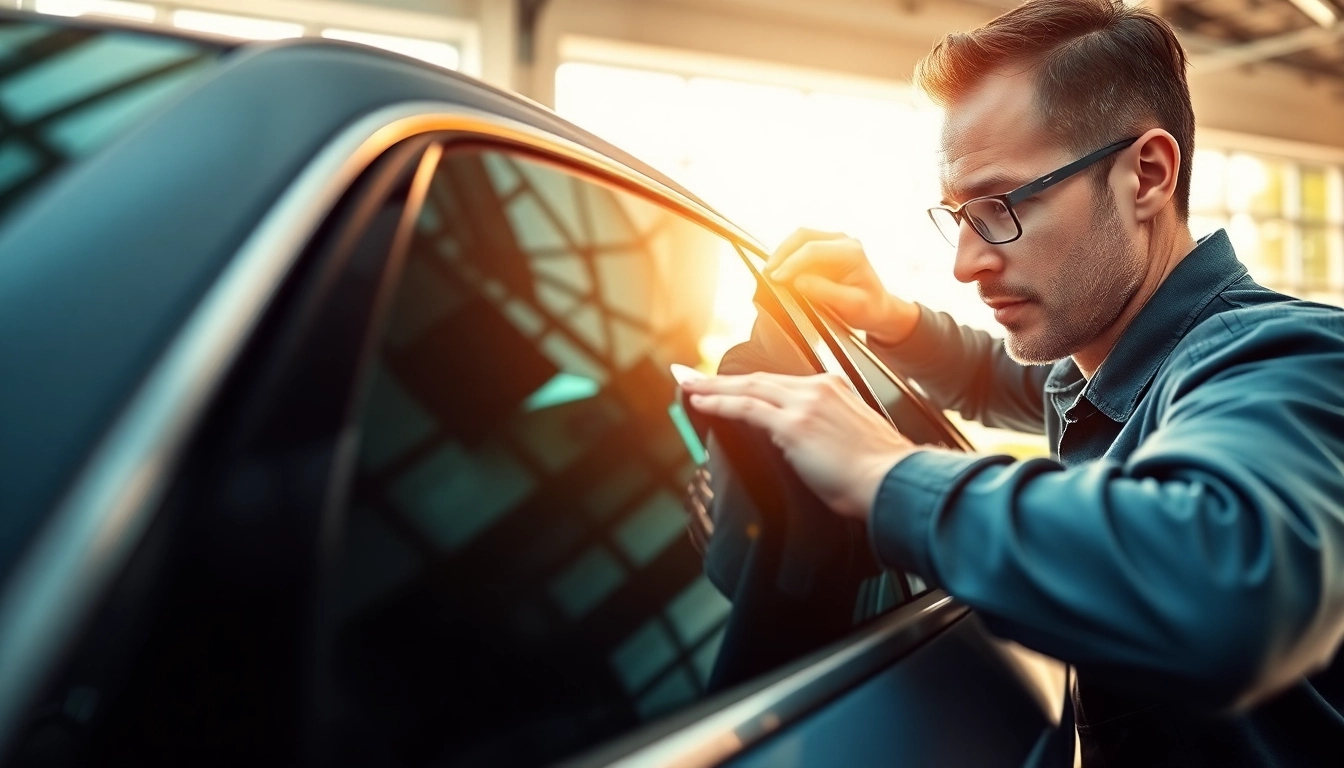
Installing auto window tint involves several steps to ensure a correct application:
- Preparation: Clean the windows thoroughly to remove dust, debris, and any residues. A clean surface is essential for proper adhesion.
- Measuring and Cutting: Measure the windows and cut the tint film to size, leaving a small margin for adjustments.
- Applying the Film: Using a soapy water solution, apply the film to the window, ensuring it adheres evenly.
- Smoothing Out Bubbles: Use a squeegee to remove air bubbles and excess water. This step is crucial for a smooth finish.
- Trimming Edges: Once the film is applied, trim off any excess film around the edges for a neat appearance.
- Drying: Allow the tint to cure for several days before rolling down the windows to ensure proper adherence.
Tools Required for Professional Tinting
For a successful installation, various tools are needed. Here are some essential tools:
- Heat Gun: This helps to mold the film around the curves of the window.
- Squeegee: Used to press the film into place and eliminate air pockets.
- Utility Knife: Essential for trimming excess film for a clean edge.
- Measuring Tape: To accurately measure window dimensions prior to cutting the film.
- Water Spray Bottle: For applying the soapy water solution, which helps position the film during application.
Post-Installation Care Tips
After installation, proper care is crucial to maintain the tint:
- Avoid Rolling Down Windows: For at least 3-5 days after installation to let the tint cure properly.
- Use Gentle Cleaners: Clean the tinted windows with soft cloths and non-ammonia-based cleaners to avoid damaging the film.
- Avoid Scratching: Refrain from using abrasive materials that may scratch the surface of the tint.
Legal Aspects of Window Tinting
Understanding Tinting Laws by State
Each state has specific laws governing window tinting, including allowable darkness levels and reflective properties. Knowledge of these regulations is paramount before applying tint to ensure compliance and avoid fines.
Compliance with Regulations Near Me
Compliance includes knowing your local laws, such as:
- Visible Light Transmission (VLT): Refers to the percentage of light that can pass through the tinted window. States like California have strict limits on VLT for different windows.
- Windshield Regulations: Some areas allow tint only on the upper portion of the windshield; understanding local regulations is essential.
Consequences of Violating Tint Laws
Violating tint regulations can result in fines, the requirement to remove the tint, and potential issues during vehicle inspections. In some cases, recurring violations may lead to more severe penalties. Thus, researching local laws thoroughly is crucial before getting your windows tinted.
Maintaining Your Auto Window Tint
Best Practices for Care
To ensure the longevity of your window tint:
- Regular Cleaning: Use microfiber cloths and tint-safe cleaners to maintain clarity.
- Avoid Excessive Heat Exposure: Parking in the shade or using sunshades can prevent heat buildup that might damage the tint.
Signs of Damage to Look For
Regular checks for signs of wear will help catch potential issues early. Look for:
- Peeling Edges: This indicates a loss of adhesion that could worsen over time.
- Fading or Bubbling: A sign that the film is deteriorating and may require replacement.
When to Seek Professional Help
If you notice any significant signs of damage or persistent issues, it's wise to consult a professional. An expert can assess the tint and recommend either repairs or replacement, ensuring you maintain compliance and aesthetics.
Frequently Asked Questions
What is the cost of window tinting?
The cost can vary based on vehicle size, tint type, and local labor rates, generally ranging from $200 to $600.
How long does the tinting process take?
Installation typically takes 2 to 4 hours, depending on the number of windows and the type of tint used.
Can window tint be removed?
Yes, window tint can be removed, but it's best done by a professional to avoid damaging the glass or adhesive residue.
Will tinted windows make my car hotter?
No, properly applied window tint helps to reduce heat and keeps the interior cooler by blocking solar energy.
What happens if I violate window tinting laws?
You may receive fines and potentially be required to remove the non-compliant tint. Checking local laws is crucial to avoid issues.